Showing posts with label Sweets. Show all posts

Friday, April 10, 2020

Matzah Crunch: Not Just for Passover

Matzah Crunch – adapted from Marcy Goldman, the Treasury of Jewish Holiday Baking
Makes 6-8 servings

Everyone loves this very popular dessert. You might also know it under one of its alternative names such as Caramel Matzah Crunch or Toffee and Chocolate Matzah Crunch or the even Matzah Crack, but you might not have realized how easy this is to make. Matzah Crunch originated with Marcy Goldman, who first developed the recipe in 1985. 

This version reflects one made by my late mother-in-law, who made hers with a topping of chopped walnuts or pecans. To make it more like Goldman’s, leave out the nuts.

Be sure to read through the directions thoroughly. You are boiling sugar and making candy, so while the directions are fairly easy they are exact. Always be careful when handling hot sugar.

Other notes: 

Make sure your matzah has no added salt. Some brands are marked salt free, others aren’t labeled, so check the package’s ingredient list.

Some folks have commented that they sometimes have trouble getting the chocolate to melt before spreading. If that happens to you, place the pan(s) in the still warm (but turned off) oven until the chocolate has melted enough to spread. 

Spoon or even use a pastry brush to spread the hot toffee for more even layers. For a thinner toffee, use six matzah sheets. I use close to 2 cups of chocolate chips to get a smooth, thick layer. The original recipe called for 3/4-1 cup. 

Be sure to make room in your freezer before you begin, since you will need to chill the baking sheet(s) filled with crunch to help the chocolate set.

4 sheets unsalted matzah
1 cup unsalted butter or margarine
1 cup packed brown sugar
1-2 cups semi-sweet chocolate chips (or coarsely chopped chocolate)
1-2 cups chopped almonds, walnuts or pecans, optional

Preheat the oven to 375°F. Depending on the size of rimmed baking sheets, you’ll need one large or two smaller pans. Line the bottom and sides (leave an overhang) of the pan(s) with foil. Then top with parchment paper cut to totally cover the foil inside the bottom of the pan(s) to make it easier to remove cooked confection. Place matzahs in a single layer on top of parchment, breaking some into pieces as needed to completely cover the bottom of the baking sheet(s).

Combine the butter or margarine and the brown sugar in a saucepan. Cook over medium heat, stirring constantly, until the mixture comes to a boil. Boil for 3 minutes, stirring constantly. Pour over the prepared matzahs, covering completely.

Place baking sheet(s) in oven then turn heat down to 350 degrees. Bake for 15 minutes. Check every 3 minutes to make sure topping is not burning. (If the toffee layer seems to be in danger, remove pan(s) from oven. Reduce heat to 325 degrees. Replace pan(s) and continue to bake for total of 15 minutes.) 

After 15 minutes, remove from the oven and sprinkle immediately with the chocolate chips. Let stand for 5 minutes and then spread the melted chocolate evenly over the matzah. While still warm, sprinkle with nuts and cut (a pizza cutter works well) or break into squares. Place in freezer, still on cookie sheets, until chocolate has set. 

Saturday, May 19, 2018

Pastries from Nazareth


I have so much info and so many photos to share of my current trip, but I'll start with these luscious pastries from a generations old firm in Nazareth, Israel. The bottom left has a layer of cheese and is served warm. Above it are ones filled with nuts and soaked in sweet syrup. Consumed with lots of cold water on the side!

Thursday, November 17, 2016

Regards from Down Under -- Food Photos from Australia -- Rain Forest Ice Cream

Guess the flavors of these ice creams from fruits grown in the rain forest
The first in an occasional set of updates from my current adventure. 

Shown are tropical ice creams from fruit grown in the orchards of the Daintree Ice Cream Company, located in the rain forest on Daintree Island, Australia. 

Shown are Davidson's Plum, pink and a bit tart, Brown Sapote, fruity and chocolate-like, and Wattleseed, a bit like tiramisu underneath was coconut

I'll add links later, but wow, some of the best ice cream ever. 

Sunday, February 01, 2015

How Sweet They Were

These fried dough treats are from the market in Banlung, Cambodia.  The provincial and commercial capital of Ratanakiri Province, a remote region near the Vietnamese and Laotian borders with a large ethnic minority population and beautiful jungle and nature preserves, it is also where guest houses, hostels, hotels and restaurants cluster for the locals and the increasing number of foreign visitors who mostly come to trek and see a wild area before more deforestation takes place and the once mighty mahogany forest is totally replaced by cashew and rubber tree plantations.

To get back to the fritters, these are made of rice four as near as I could ascertain and covered in sugar.  The ones with the sticky brown topping are frosted with palm sugar syrup, which is sweet without being cloying and has a strong taste of its own, perhaps a bit vegetal, that I found very pleasant.

Conveniently, these pastries were located right next to my favorite coffee vendor in Southeast Asia, but that's a post for another day.

Tuesday, October 07, 2014

Make a Cookie Sukkah for a Sweet Sukkot

My cookie sukkah!  Notice the hanging fruit.
There are some very specific rules for building a sukkah (hut) when celebrating the Jewish holiday of Sukkot, which starts this Wednesday night. The sides and roof have to be built a certain way and the sky must be seen through the roof when you sit inside. The Cookie Sukkah below doesn't adhere to any of these rules and you definitely can’t eat in it, as is the Sukkot tradition, but you can actually sit down and eat the sukkah.

This family project can be a good discussion starter about Sukkot, also known as the Festival of Tabernacles or Booths.  It commemorates the shelters ancestors built for protection during the Exodus and during harvests in Israel. It uses filled, rolled wafer cookies to build a log-cabin style sukkah. There are many brands and flavors of these cookies (several certified kosher). Cookie lengths vary, so adjust directions if needed to keep dimensions proportional. (I used Pepperidge Farm Pirouettes.) Buy extras since breakage (and snacking) is inevitable. When assembling, use enough frosting for the cookies to adhere but not so much as they slide off one another. Decorate with fruit-shaped candies. Use the sukkah for a centerpiece or eat it for dessert. Either way it will help make a sweet holiday.

If you don't want to use or can't get the rolled cookies, pretzel rods or hard bread sticks will also work, although you might have to fuss with the dimensions a bit.

It can be made up to 48 hours in advance and kept very loosely wrapped at room temperature. Try making a etrog and lulav (the traditional Sukkot symbols) out of marzipan tinted with food coloring. (Or use a Lemonhead candy for the etrog and springs of green herbs for the lulav.)

Cookie Sukkah
Inside sukkah

Makes 1 Sukkah

About 8 oz. 6” long, filled, rolled wafer cookies (you'll need at about 24 or so of the 6" cookies)
3/4-1 cup purchased white frosting
Assorted fruit-shaped candies, cereal and or fruit snacks

Have ready a flat tray, parchment or waxed paper, ruler, serrated bread knife, aluminum foil, needle, and thread.

Cover tray with parchment or wax paper. Set aside 18 of the 6” long cookies. Gently saw rest with serrated knife into 8-1” long pieces and 8-2”long pieces.

You will be building this "log cabin" style, using the frosting for glue.  If at any time the structure seems precarious, stop and let frosting set a bit or add in support while it dries.  (See Level 3.)

Building sukkah before roof

Level 1
Smear bottom of 1-6” long cookie with frosting. Press gently to adhere to tray 2 and 1/2" from the middle. This will be the back of the sukkah, side “A.” Frost bottom of 2-2” pieces. Press them down 5” from the first, with the outside ends of the short pieces lining up with the outside ends of the 6” cookie and parallel to side “A.” This will create the opening for the door.  This is side “B,” or the front of the sukkah.

Cover the bottom of 2-6” cookies with frosting. Lay them perpendicular to sides “A” and “B” log cabin style, allowing the ends to protrude 1/2" over “A” and “B.” Press gently to secure. This makes sides “C” and “D.”

Frost the bottom of 2-1” pieces. Press them down perpendicularly across the 2” pieces but parallel to sides “C” and “D” and indented 1/2" from the inside ends of the 2” pieces.

Level 2
Frost the bottom of 1-6” cookie and lay atop side “A.” Frost 2-2” pieces and lay perpendicular to the 1” pieces on side “B.” (So the 2” pieces are parallel to the “A” side.)  Press gently to secure. Cover the bottom of 2-6” cookies with frosting. Place on top sides “C” and “D.” Next, frost the bottom of 2-1” pieces. Lay perpendicular to “A” and B” across the 2” pieces as in level 1.

Level 3
Repeat Level 2 directions. If necessary, crumple up balls of foil to help support inside corners. (This is when I started needing the supports.)

Level 4
Detail of front construction

Repeat level 2 directions.

Level 5
Frost the bottom of 2-6” cookies. Place one atop side “A” and one atop side “B” (to create a door way header). Cover unused frosting.

Let structure sit for 1 hour. Remove foil supports. Frost back of candies and gently press on to inside and outside walls. If using soft candies such as gummies or fruit snacks, thread needle and poke through candy. Tie off ends to make 1” loops. Hang on the 4 remaining 6” cookies. Frost cookie bottoms. Place each about 1” apart across sukkah top parallel to sides “C” and “D” to make roof, with candy dangling down. Store at room temperature, loosely covered with parchment or waxed paper.

Wednesday, December 05, 2012

Make a Candy Menorah for a Sweet Chanukah


This year the Jewish festival of lights starts the evening of December 8.  This delicious hanukkiah (Chanukah nine-candle menorah) celebrates eight nights of sweetness, that is if you can keep your child (or inner child) from consuming it immediately.
Making candy and even marshmallow menorahs is not new, but these “candykiahs” have lots of options for customization. Switch the candy candle “flames” to mini marshmallows (colored ones look impressive) or other small treats.   Skip the lollipop and use an additional pretzel stick-gum drop “candle” for the shamesh, or the taller “helper” candle. Use a bit of the icing to attach gold-foil covered chocolate gelt perpendicular to the front of or flat as a base for each marshmallow.  Use additional decorating gel for designs or lettering on the marshmallows.  Spread additional frosting on the marshmallows and scatter with sprinkles, colored sugar or edible sugar glitter.

If younger children are making the menorahs, have them skip the pretzel stick candles and attach the gum drops directly to the top of the marshmallows with a bit of the icing. 

If you plan to move your creation, be sure to use the sturdy, oval heavy paper plate (I used Chinet 12 5/8” x 10” plates).  Other options include foil-wrapped cardboard or a regular dinner plates.  Be sure any base can accommodate nine of the full-sized marshmallows in a row.

A note about ingredients – you can find all the ingredients certified kosher (heckshered).  Local kosher markets and some Whole Foods stores carry the marshmallows or  they can be purchased on online.  I found kosher gum drops and lollipops at Trader Joe’s, but other brands are available locally and online.  The pretzel sticks, icing and decorating gel were purchased at Target and are widely available.
Chanukah Candy Menorah
You might need extra candy if you have nibblers and extra pretzel sticks to accommodate any breakage. 

For each menorah you will need
10 full-sized marshmallows
2-3 Tbs. of blue or white prepared icing or frosting
8 small gum drops
8 pretzel sticks, optional
1 lollipop
Blue decorating gel (from a tube), optional
Large, oval, heavy paper plate

Place nine marshmallows in a straight or curved line to fit on plate or other base.  Make sure the center marshmallow is snuggly touching the marshmallows on each side (needed for added support). Attach each marshmallow to base with a bit of icing.  Top center “helper candle” with just a bit more icing and attach a second marshmallow (don’t use too much or the top marshmallow will slide around). Push and turn the paper stick of the lollipop into the doubled marshmallow until it is secure.
If using pretzel sticks, gently push and turn into the base of the gum drop.  (If necessary, adults can use skewers to make guide holes for the pretzels).  Holding the marshmallow, gently push and turn the pretzel stick with the attached gum drop into the marshmallow.  Repeat for the 7 other marshmallows.

If not using pretzels, top the 8 remaining marshmallows with a dot of icing and attach gum drops.
If using decorating gel, pipe a Jewish star or other design on the front of center marshmallow.
-----------------------------
A version of this Chanukah (or Hanukkah)  post appeared in the December 2012 Temple Beth Abraham Omer.

Tuesday, April 03, 2012

Grilled Lamb and Bitter Lettuce -- A Different Kind of a Passover Story (With Recipes, Of Course)

Homemade Matzah
On the first night of Passover, more than 200 families in the Bay area will be sharing some ancient Seder traditions and foods that would be unfamiliar to Jews raised with stories of the four questions and expectations of eating sweet charoset.

That’s because the Bay area is the home to the largest enclave of Karaite Jews in the United States. Karaim, a sect with roots that go back to the 8th Century, derives its practices only from what is in the written Torah and not from the Talmud or other rabbinic sources.

“We don’t have a Seder plate and many things are not acceptable. There is no vinegar, baking powder, or cheese” during Passover according to Rémy Pessah, of Mountain View. Only foods and practices that are mentioned in the Torah are allowed. Anything fermented or that could ferment is forbidden throughout the holiday.

Pessah, a textile artist, often lectures about the Karaites and is a talented cook, freely sharing her expertise and recipes for Egyptian Karaite specialties, including teaching a recent class at Osher Jewish Community Center in Palo Alto that was co-sponsored by JIMENA (Jews Indigenous to the Middle East and North Africa). She and her husband, Joe, helped found the Karaite Temple B’nai Israel in Daly City.

Karaites celebrate Passover for seven days. They only recount the story of the exodus the first night using Haggadahs featuring details taken from the Torah. Many Karaites in the U.S. feel a very personal connection to the story, since like Pessah’s family they lived in Egypt for centuries, but were forced to emigrate because of deteriorating conditions and persecution (including imprisonment) after the wars with Israel. Other groups of Karaites still live in the Ukraine, Crimea and Israel. Worldwide estimates range from 25,000 to 50,000 with approximately 2,000 living in the Bay area.

Karaites’ Passover tables, traditionally dressed in new, white tablecloths, do feature some ceremonial foods.

Pessah’s Pesach table in Mountain View will feature two types of matzah – commercially made and a homemade version made with matzah cake meal to eat with the maror. The homemade matzah features coriander seeds. Similar to Sephardic and Mizrahi Jews, Karaites do eat seeds such as coriander and cumin that Ashkenazi rabbinic tradition has made kitniyot or unacceptable. Pessah makes sure the dough is mixed and in the oven in under 10 minutes to avoid any remote chance of fermentation or rising. The maror, or bitter herbs, this special matzah is made for is a chopped salad of greens and herbs including romaine lettuce, chicory and endive. There is no charoset, but whole or chopped nuts are served.

A Karaite Seder meal always features lamb that is roast, barbecued or grilled, according to Pessah.

“The Torah says to have lamb when they left Egypt and that the leftovers be burnt and not taken,” she said. “Growing up my mother made sure we have just enough so not to waste.” Pessah says some families roast a whole lamb in recognition of the Temple sacrifice, a practice which is avoided in other Jewish traditions, even those which permit eating lamb at the Seder meal.

The Seder meal will also often feature greens and rice but only fresh beans such as fava. “We don’t eat dried beans, we don’t eat anything that has been dried and needs to soak since it will expand,” Pessah explained.

Dessert might a jam-filled Swiss roll, but with homemade preserves, since Karaites shun most commercially made Pesach products. Almond brittle, almond cookies and other pastries are also served.

Below are several of Pessah’s recipes along with my interpretations of some of the Karaite specialties.

Bitter Herbs Salad
Serves 12

The ingredients in Remy Pessah’s maror inspired this recipe, which was also influenced by Middle Eastern fattoush or bread salads. Fennel fronds are the feathery leaves attached to the fennel bulb stalks.

1 1/2 cups of 1” cubes of fennel bulbs
1/4 cup finely chopped fennel fronds
2 cups of 1” pieces of Belgium endive
4 cups of 1” pieces of romaine lettuce
4 cups of 1” pieces of red leaf lettuce
2 cups of 1” pieces of frisee or other curly chicory
1 cup finely chopped parsley
1cup finely chopped fresh dill
2 small lemons
2 Tbs. finely minced lemon zest
1 tsp. minced garlic
1/8 tsp. cayenne pepper
1/4 tsp. ground black pepper
1 tsp. salt
1/2 cup fresh lemon juice
1/2 cup olive oil
2 Tbs. water
6 sheets of matzah, broken into 1” shards

In a very large bowl, combine fennel bulbs, fennel fronds, endive, romaine lettuce, red leaf lettuce, frisee, parsley and dill. Toss well. Cut away the peel and white pith from the two lemons and chop the remaining flesh into 1/4" pieces. Combine chopped lemon pieces in a jar or other container with the lemon zest, garlic, cayenne pepper, black pepper, salt, lemon juice, oil and water.
Just before serving, mix or shake the dressing until combined, pour over salad. Toss salad. Add matzah pieces and toss again. Serve immediately.

Rémy Pessah’s Maror – To use as a Karaite-style maror, finely chop vegetables and herbs and combine with 2Tbs. lemon juice, 1 tsp. salt and 2 diced pickled lemons. If pickled lemons are not available, use 1/4 tsp. additional salt, 1/8 tsp. cayenne pepper and 2 Tbs. finely minced lemon zest and the finely diced flesh of 2 small peeled lemons.

Rémy Pessah’s Homemade Matzah
Makes 40-45 2” x 2” crackers

Pessah’s matzah recipe includes coriander seeds, which Ashkenazi Jews avoid during Passover. If it is not your custom to eat the seeds during Pesach, just omit them, the crackers will still be very tasty and make a good accompaniment for foods throughout the holiday. Pessah specifies that the dough should be prepared and put in the oven within 10 minutes of mixing the dry ingredients with the wet.

3 cups matzah cake meal
3/4 cup olive oil
1 1/2 cup water
1 Tbs. coriander seeds (optional)
1 tsp. salt

Preheat oven to 400 degrees. Combine cake meal, oil, water, coriander seeds (if using) and salt in large bowl. Stir with spoon until all liquid has been incorporated and a crumbly dough has formed. Oil hands and mix until dough combines. Knead for a minute or two until dough is smooth. Divide into 2 equal parts. Form into two disks. Take one disk and then flatten out evenly with fingers on an ungreased baking sheet until the dough is only about 1/8” thick. Repeat on a second ungreased baking sheet with the remaining dough. Cut the dough into 2” x 2” squares. Bake 20-25 minutes until the ends of the dough are slightly brown and the matzah is cooked all the way through. Let cool and store in an airtight container.

Grilled Lamb

Having grilled or barbecued lamb for the Seder meal is an important part of the Karaite tradition. Ashkenazi custom is to avoid lamb and roasted meats at the Seder meal. Sephardic and Mizrahi custom includes eating lamb as part of the meal.

3 -4 lb. boneless butterflied leg of lamb
1/2 cup fresh lemon juice
1/2 cup olive oil
1/2 tsp. ground cinnamon
1/2 tsp. salt
1/2 tsp. ground black pepper
1/2 cup finely chopped mint
3 tsp. minced garlic

Trim excess fat off lamb. Combine juice, oil, cinnamon, salt, pepper, mint, garlic and mix well. Open the leg so it lies flat. Rub mixture all over lamb. Let marinate for 1 hour at room temperature or for several hours in the refrigerator, bringing back to room temperature before grilling. Oil grill rack. Prepare charcoal or preheat gas grill to medium high heat. Grill over medium to medium high heat, adjusting for flare ups and turning frequently for 25-35 minutes until an instant-read thermometer indicates desired doneness – 120 degrees for rare, 130 degrees for medium rare, 140 degrees for medium or 155 degrees for medium well. (Thinner sections of the butterflied leg will be more well done than the thicker portion). Meat will continue cooking after removed from grill. Let rest loosely covered with aluminum foil 10-15 minutes before slicing and serving.

Rémy Pessah’s Almond Brittle
Makes about 2 cups of candy pieces

3/4 cup sugar
1 cup blanched, slivered almonds
Oil as needed

Place parchment paper on baking sheet. Lightly oil Melt sugar on low heat in a stainless steel pot. Add almonds, stir well. Pour onto prepared baking sheet, spread into a single layer with the back of a large, oiled spoon. Let cool and break into sections.
--------------------------
A version of this article originally appeared in j. weekly

Tuesday, February 07, 2012

Happy New Year to the Trees - Celebrate Tu B'Shevat with Fruit, Nuts and These Recipes

Cherry and Carob Cookies
Many Jews have become more aware of Tu B’Shevat, the New Year for trees, as the practice of celebrating the holiday with Seders and special meals has become more widespread.

Tu B’Shevat begins at sunset on February 7th and continues until nightfall the next day. The holiday was used to set the age of fruit trees for taxes and other purposes. There are several food customs associated with it. One is to eat a new fruit of the season. Another focuses on consuming the “Seven Species,” foods mentioned in the Torah as being special products of Israel – wheat, barley, grapes, figs, pomegranates, olives and dates. Some also include other fruits and nuts mentioned elsewhere in the Torah or associated with Israel.

The Seder was created in the 16th century and includes fruits that have several distinct characteristics: an inedible covering (such as citrus, pomegranates and pineapples), fruits with edible coverings but large pits (such as cherries, olives and carob), and completely edible fruits or ones that only have very small seeds (such as grapes).

Some of these Tu B’Shevat traditions are reflected in the following recipes.

Chicken with Olives and Tangerines
Serves 6

Fennel, squash, olives and tangerines combine to create a great dish for company or every day.  The idea came from having made some Moroccan orange and olive salads and really liking that flavor combo but only having Satsumas in the house when I created this.

1 1/2 cups seedless tangerine sections (such as Satsuma)
2 Tbs. grape seed or olive oil
2 lbs. boneless chicken thighs cut in 1 1/2” strips
2 cups of chopped onion
2 tsp. finely chopped garlic
1 1/2 cups chopped fennel bulb
1 1/2 cups chopped red bell pepper
1 1/2 cups of 1” cubes of butternut squash
1 cup water
1/4 tsp. cinnamon
1/2 tsp. black pepper
1/4 tsp. salt
1 cup pitted Kalamata olives
2 Tbs. finely chopped fennel fronds, optional

Remove any excess white pith or strings from the tangerine sections. Set aside. Heat oil in large fry or sauté pan over medium high heat. Brown chicken strips, remove. Add onion and garlic, sauté until golden. Add fennel, red bell pepper and squash. Sauté 2 minutes. Add water, stir well, cover. Lower heat to medium and let steam, stirring occasionally and adding more water as needed (do not let the pan go dry), until squash is almost cooked through. Remove lid, raise heat to medium high. Add cinnamon, pepper, salt and browned chicken and sauté until chicken is almost cooked through. Add olives and tangerines. Sauté, stirring occasionally, until chicken is done. Garnish with chopped fennel fronds if desired. Serve on top of cooked bulgur, couscous or barley.

Cherry and Carob Cookies
Makes about 24-30 cookies

These delicious, cake-like cookies are vegan. The carob adds a fruity note, but you could substitute chocolate chips if you'd prefer. Dried cranberries can also be substituted for the dried tart cherries. The cookies are very fragile when warm, plus they taste better when cool, so be sure to let them cool completely before eating.

1 cup non-hydrogenated shortening, room temperature
1 cup sugar
1/2 cup unsweetened plain applesauce
2 tsp. vanilla
3/4 cup apple juice
2 1/2 cups flour
1 tsp. baking powder
1 tsp. salt
1 cup carob chips
1/2 cup dried tart, pitted cherries (or dried cranberries)
1/2 cup dried, unsweetened flaked coconut
1/2 cup walnut pieces
Oil spray

Using an electric mixer, cream shortening and sugar. Stir in applesauce, vanilla and juice. In a separate bowl, mix flour, baking powder and salt. With mixer on medium speed, pour a third of the flour mixture into the shortening one and mix until well combined. Repeat with remaining flour mixture. Stir in carob, cherries, coconut and walnuts. Cover and chill for at least 1 hour or overnight. Preheat oven to 350 degrees. Spray cookie pans with oil spray. Roll batter into 1 1/2" balls. Place on greased baking sheets leaving about 2” space between cookies. Bake until cookies are golden with lightly browned edges, 15-17 minutes. Let cool on baking pans for 3 minutes and then move to cooling rack. Let cool completely before eating.

Pomegranate Juice Squares with Pineapple Chunks
Serves 4

Don't skip serving with the pineapple chunks, they are what makes the dish "come together." Canned pineapple chunks work fine for this recipe.

1 cup white grape juice
1 cup fresh pomegranate juice, cold
2 envelopes Kolatin brand unflavored kosher gelatin (see note below)
8 oz. can pineapple chunks, drained, OR 2/3 cup of 1/2” chunks of fresh pineapple
1/2 cup pomegranate seeds, optional

Heat white grape juice to a boil and keep at a simmer. Place cold pomegranate juice in bowl. Sprinkle gelatin on top, let stand 1 minute. Add hot juice and mix thoroughly until gelatin has dissolved. Pour into 8” x 8” pan. Cover and put in refrigerator until firm (4 hours). Cut into 1” squares. Combine the juice squares with the pineapple in individual dishes just before serving. Sprinkle with pomegranate seeds if using. (Note: If using a different brand of gelatin, follow package directions on how to mix with liquids.)
--------------------
A version of this first appeared as an article the j. weekly.
Other posts on the holiday feature information on pomegranates and recipes for barley-olive tabbouleh salad, pomengranate fish and carob fruit nut bars.

Wednesday, December 07, 2011

Give the Gift of Peppermint Bark, Chocolate Truffles and Peanut Brittle for a Really Sweet Holiday Season


Rolling chocolate truffle in cocoa before serving or packaging
 When I’m looking for hostess gifts or teacher presents this time of year, I often think of home-made candies. A tin or box of these treats is always appreciated. The candies also are good make-ahead desserts.

Two of these recipes have appeared in the blog before.  My youngest son and I created the Peppermint Bark recipe after he developed a taste for an expensive store-bought version of the candy. Children can help bash the peppermint candies into bits (under supervision, of course). The Cinnamon Almond Truffles evolved from a chocolate frosting recipe when I was looking for a non-dairy dessert. The Microwave Peanut Brittle is new to Blog Appetit and is one of the easiest I’ve ever made (although always be careful when working with hot sugar). The recipe is adapted from the cookbook that came with my first microwave oven. 

(Note: All three recipes are vegan if you use vegan ingredients. Probably the toughest to find is vegan white chocolate, but it is out there. You may need to use chips instead of block chocolate.)

Dress up your candy by putting pieces into colorful candy cups or mini-muffin or cupcake liners. Look in dollar or other stores for inexpensive packaging to gussy up your sweet offerings.


Peppermint Bark
Makes about 1 3/4 lbs. of candy

4 oz. round, wrapped peppermint hard candies (such as Starlight)
1 lb. semisweet chocolate, chopped
12 oz. white chocolate, chopped

Line an approximately 10” by 15” rimmed baking tray with aluminum foil. Make sure the foil lining extends beyond the sides of the pan. Unwrap candies and put them inside doubled heavy-duty plastic zipper-lock bags. Seal the bags, taking care all the air is removed. Place on a cutting board on a steady, durable surface. Hit the candies with a rolling pin, meat tenderizer or hammer until the candies are broken into approximately 1/4-inch pieces.

Melt the semisweet chocolate. Spread the melted chocolate in an even layer across the bottom of the prepared baking tray. Place pan with chocolate in the refrigerator.

Melt the white chocolate. Take pan with semisweet layer out of refrigerator and spread melted white chocolate on top. Working quickly, evenly scatter peppermint candy pieces on top, pressing down slightly on larger chunks to make sure they adhere. Put back in the refrigerator until firm, about a half hour. Using the foil lining, lift the bark out of the pan. Peel off the foil and break into irregularly shaped pieces. Store in the refrigerator in a sealed storage bag or container. Take out about 20 minutes before serving.

Vegan Cinnamon-Almond Chocolate Truffles
Makes about 24 Truffles

If you want to make a more traditional truffle, check out this recipe from the now-defunct Charles Chocolates.  I've also made these with raspberry-almond flavoring by skipping the cinnamon and using half raspberry and half almond extracts.

3 oz. plain unsweetened soy milk
3 Tbs. parve margarine, cut into small chunks
1/4 tsp. cinnamon
1/2 tsp. almond extract
5 oz. semisweet chocolate chips
Cocoa powder, optional

Simmer soy milk over medium heat. Add margarine, stirring until dissolved. Stir in cinnamon and almond extract. Reduce heat to very low. Add chocolate, stirring constantly until thoroughly melted. Refrigerate covered for several hours until the mixture is solid but pliable (it may be a bit crumbly). Oil hands and measuring spoon if desired. Spoon out about 2 tsp. of the chocolate mixture and using hands and fingers roll, press or pinch into rough rounds. Store covered in refrigerator and take out about 20 minutes before serving and roll in cocoa powder if using.

Microwave Peanut Brittle
Makes about 1 1/2 lbs. of candy

1 tsp. butter or margarine plus extra for greasing baking tray
1 cup sugar
1/2 cup light corn syrup
1 cup salted peanuts (not dry roasted)
1 tsp. vanilla
1 tsp. baking soda

Note: Times are given for 800-1000 watt microwaves. For ovens with a higher wattage, try reducing cooking times by about 1 minute at each stage.

Grease baking tray and set aside. In a 2-quart heat-proof glass casserole dish (do not use plastic), combine sugar and corn syrup. Stir. Cook in microwave on high for 4 minutes Mixture should be beginning to bubble and starting to brown. Stir. Add peanuts. Mix well. Cook on high for 3 1/2 minutes. Stir in butter and vanilla. Cook on high for 1 1/2 minutes. Candy should be browned but not burnt, liquid and bubbly. Remove from microwave, immediately stir in baking soda until light and foamy. Pour onto buttered tray and spread until it is about 1/4” thick. (It spreads easier if the baking tray has been warmed slightly.) Cool, break into pieces. Store in airtight container.

--------------------------
A version of this post first appeared in the j. weekly.

Tuesday, September 27, 2011

Recipes for Rosh Hashanah 5772 -- Jewish New Year's Recipes


Leek-Potato Patties
 Here are the various recipes I developed for this year's Rosh Hashanah celebration.  For more on Blog Appetit's Rosh Hashanah 5772 coverage, please click here.  Many of these recipes have appeared in the j weekly, the San Francisco Bay area's Jewish newsweekly.

Leek-Potato Patties
Makes 8-3” Patties

These savory pancakes make a good starter course (perhaps served with a smear of Sriracha or other chili paste sauce and or a dab of mango chutney) or a wonderful accompaniment to roast chicken, pot roast or other main course.

Leeks are included in the Rosh Hashanah Seder because their name in Hebrew is similar to the word for cut off and symbolizes defeating our enemies.

1 lb. Yukon gold or similar potatoes
1 Tbs. plus 2 Tbs. vegetable oil
2 cups chopped leeks, white and light green parts only
1/2 tsp. plus 1/2 tsp. ground black pepper
1/4 tsp. plus 1/4 tsp. salt
1 tsp. or to taste, minced jalapeno (seeded), optional
2 eggs, beaten

Boil the potatoes in lightly salted water until tender. Cool. Peel if desired. Mash or rice until smooth.

Heat 1 Tbs. oil in fry pan. Add leeks, 1/4 tsp. salt and 1/2 tsp. pepper. Sauté over medium high heat until softened and browned. Combine with mashed potatoes. Add remaining salt and pepper, jalapeno (if using) and eggs. Mix well. Heat 2 Tbs. oil in a large fry or sauté pan. Oiling hands if desired, take 1/4 cup of the mix and form into a patty about 3” in diameter. Place in hot oil. Repeat until potato mixture is used up. Fry over medium heat about 4-5 minutes a side, until both sides are browned and the pancake is firm when you touch it. (Fry in batches if needed.)

Tzimmes with a Twist -- Savory-Sweet with Chicken
Serves 6

A sweet tzimmes with carrots is a traditional dish. Carrots are symbolic of prosperity. The sweetness is a reminder of the wish to have a sweet New Year. This tzimmes is lighter in color and not as sweet or heavy. Serve over noodles or potatoes.

1 cup dried apricot halves
1 cup dried, pitted prunes
2 cups boiling water
2 and 1/2 pounds boneless, skinless chicken thighs
2 Tbs. canola or other vegetable oil
1 cup thinly sliced onions
1 Tbs. minced garlic
1/4 tsp. red pepper flakes
1/4 tsp. salt
1/4 tsp. ground black pepper
1/4 tsp. ground cumin
1 cup 1/4” thick carrot slices
1 and 1/2 Tbs. soy sauce

Cover apricots and prunes with boiling water. Let steep until softened (about 20 minutes depending on fruit). Drain, reserving liquid.

Cut chicken into 1 1/2” chunks. Add oil to large Dutch oven or other heavy pot over medium high heat. Brown chicken chunks, working in batches if necessary. Remove from pan and reserve. Add onions, put heat on medium low and cook, stirring occasionally until softened, well browned and caramelized about 25 minutes. Raise heat to medium high, add garlic and sauté until golden. Add red pepper flakes, salt, black pepper, cumin, carrots, soy sauce, apricots, prunes, and reserved soaking water and stir well, incorporating any browned bits from the bottom of the pan. Bring to a simmer. Add chicken pieces and any accumulated juices. Stir well. Cover and keep at a simmer, stirring occasionally until chicken and carrots are cooked through (about 30 minutes). Taste and correct seasoning. For thicker sauce, remove solids and keep warm and raise heat under sauce and cook uncovered until reduced.

Chicken with Chard and Green Beans
Serves 6

This dish is packed with tasty Rosh Hashanah symbols – chard which represents our asking that our enemies be removed, green beans which have come to mean a wish that God will increase our merits and more. It can also be made ahead and reheated just before serving.

2 Tbs. plus 1 Tbs. vegetable oil
1/2 cup plus 1/2 cup chopped onion
1/2 Tbs. plus 1/2 Tbs. minced garlic
1/8 tsp. plus 1/8 tsp. red pepper flakes
1/4 tsp. plus 1/4 tsp. salt
1/4 tsp. plus 1/4 tsp. ground black pepper
2 lbs. boneless, skinless chicken thighs
1 tsp. minced fresh ginger
1/4 tsp. dried, ground turmeric
1 cup of 1/2” chunks of zucchini
1 cup of 1” pieces of green or string beans
4 cups, packed, of roughly chopped red or Swiss chard
1 cup chicken broth
1 cup small cherry tomatoes
1/2 tsp. sugar or to taste, as needed

Heat the 2 Tbs. of oil in a large fry or sauté pan over medium high heat. Add 1/2 cup onion and 1/2 Tbs. garlic, 1/8 tsp. of red pepper flakes, 1/4 tsp. of salt and 1/4 tsp of ground black pepper. Sauté until golden. Add chicken thighs, browning on both sides and cooking until almost cooked through, about 7 minutes. Remove from pan with juices and any brown bits. Set aside, covering with foil to keep warm.

Add remaining oil to pan if needed. Heat over medium high heat. Add remaining onions, garlic, red pepper, salt, black pepper, the ginger and turmeric. Sauté about 2 minutes until onions are softened and golden. Add zucchini. Sauté for 2 minutes, add green beans, sauté 2 minutes. Stir in chard, sauté for a minute then add chicken broth, stirring up any browned bits from the bottom of the pan. Add cherry tomatoes, stir well and sauté, stirring occasionally until the chard is softened and the liquid is somewhat reduced, about 10 minutes. Taste and correct seasoning, adding sugar if the greens are too bitter.

Return chicken, juices and cooked onion mixture to pan with vegetables. Stir well. Cook until chicken is thoroughly reheated and cooked through. Serve over rice or couscous.

To Make Ahead and Reheat. Don’t cover the cooked thighs with foil. Store the cooked vegetables and chicken separately in the refrigerator. Allow to come to room temperature before reheating. Preheat oven to 350 degrees. Place vegetables in baking dish. Place chicken on top of vegetables. Spoon any juices and cooked onion mixture over the chicken. Cover with foil. Cook for about 30-50 minutes until thoroughly reheated and chicken is cooked through.

Black-Eyed Pea Salad
Serves 4-6

Black-eyed peas are an important part of Sephardic and North African Rosh Hashanah tradition, symbolic of our wish that God multiply our merits. If using canned black-eyed peas, no need to cook them, but be sure to rinse and drain them well.

1/2 cup 1/4" dice carrots
½ cup 1/4" dice celery
1/2 cup 1/4” sliced scallions
1/2 cup 1/4” dice red bell pepper
2 cups cooked black-eyed peas, drained
1 Tbs. grated lemon zest
4 Tbs. fresh lemon juice
4 Tbs. canola or other vegetable oil
1/4 tsp. salt
1 tsp. (or to taste) siracha, harissa or other chili paste sauce

Combine the carrots, celery, scallions, red bell pepper, black-eyed peas and lemon zest. Mix. Make the dressing in a separate bowl, combining juice, oil, salt and siracha. Mix well. Stir into vegetables. Taste and correct seasonings. The salad should not taste “hot” but should have a slight zing. Serve at room temperature.

Parve Cinnamon-Almond Chocolate Truffles
Makes About 24 Truffles

Round foods are symbolic of wholeness and continuity.   Parve foods contain neither meat nor dairy.  This recipe is also vegan.

3 oz. plain unsweetened soy milk
3 Tbs. parve margarine, cut into small chunks
1/4 tsp. cinnamon
1/2 tsp. almond extract
5 ounces semisweet chocolate chips
Cocoa powder, optional

Simmer soy milk over medium heat. Add margarine, stirring until dissolved.  Stir in cinnamon and almond extract.  Reduce heat to very low. Add chocolate, stirring constantly until thoroughly melted. Refrigerate covered for several hours until the mixture is solid but pliable (it may be a bit crumbly).  Oil hands and measuring spoon if desired.  Spoon out about 2 tsp. of the chocolate mixture and using hands and fingers press or pinch into a rough round. Roll in cocoa powder if desired. Repeat. Store covered in refrigerator and take out about 20 minutes before serving.

Pumpkin-Date Filo Tart
Pumpkin and Date Filo Tart
Serves 8

This parve tart features pumpkins and dates, both foods mentioned in the Talmud as part of the Rosh Hashanah food celebration. Pumpkins symbolize our good deeds being called out as well as the plea for any harsh judgments to be torn up and disregarded. Dates symbolize an end to hostility or ill will.

If you are using canned pumpkin puree, be sure you are not using the pre-spiced pumpkin pie filling mix.

2 cups cooked pumpkin puree
4 eggs, beaten
1 cup orange juice
1/2 cup sugar
1/4 cup brown sugar
1/2 tsp. ground cinnamon
1/2 tsp. ground ginger
1/3 cup pitted, roughly chopped Medjool dates (about 8 large chopped into about a ¼” dice)
1/3 cup chopped walnuts
7 sheets of filo dough
1/4 cup (approximately) vegetable oil

Preheat oven to 350 degrees.

In a large bowl combine the pumpkin puree, eggs, juice, sugars, cinnamon and ginger. Mix well. Add the dates and walnuts and stir until evenly dispersed through filling. Set aside.

Make the filo crust. Have ready a package of defrosted filo leaves. Set seven aside covered with a damp paper towel. Repackage and refreeze remainder. Brush the bottom and sides of a 9” round cake pan with vegetable oil. Take out one filo sheet (leaving others covered). Center in the cake pan and brush surface with oil. Take out another sheet, rotate it so the overhanging edges are offset with the first sheet. Brush with the oil. Repeat with four of the remaining sheets. Shred the seventh sheet and scatter across the bottom of the crust.

Fill the crust with the pumpkin mixture. Fold the overhanging edges of the filo back over themselves and tuck into the tart. They should cover the edge of the cake pan and create a bit of an edge. Brush exposed filo with oil.

Place in center rack in center of oven. Bake for 5 to 10 minutes or until exposed filo crust has turned golden brown. Cover exposed crust with strips of aluminum foil. Bake tart for about 50 minutes more or until center is set and a knife inserted in the center comes out almost clean. Remove foil strips and let cool to room temperature before serving.

Saturday, July 23, 2011

Almond Joy with Recipes for Almond Tart, Almond Party Mix and Almond-Stuffed Dates

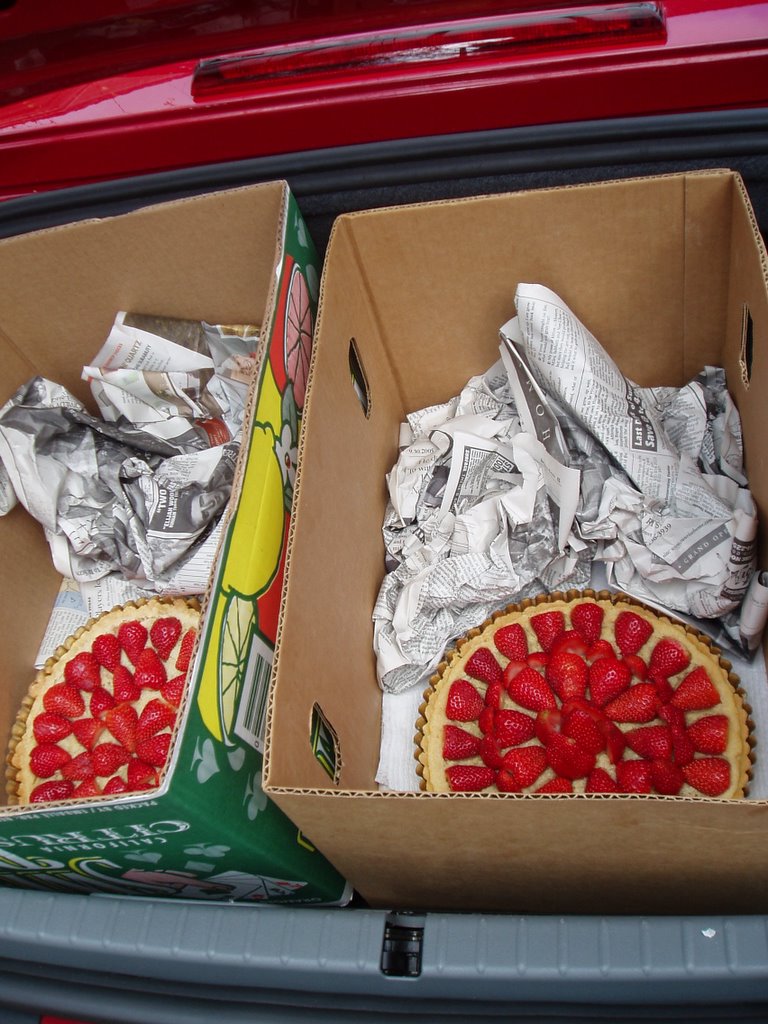
Almond and Berry Tarts to Go
 Almonds are probably one of the most universal foods used in celebrations. Many different cultures are nuts for this nut as a symbol of hope, renewal and happiness.

The almond’s connection to marriage is particularly strong. Some traditions are based on there being both bitter almonds (unavailable in the U.S.) and sweet, so they use this relative of the rose and peach as a reflection on the duality of marriage. Others view almonds as symbols of prosperity, fertility and economic security.

Almond customs at weddings, engagement parties and other ritual events surrounding marriage include tossing almonds and coins at newly married couples, serving sweetened rice or couscous garnished with almonds at nuptial events, and offering confections made from almonds. The most famous of these is probably candied Jordan almonds served or given at weddings. The name Jordan is a corruption of the name of the variety of almond (jardin) first used to make this sweet.

Below are some almond-based treats for whatever you are celebrating.  This column is adapted from one that first appeared in j. weekly.

Almond Tart with Strawberries
8 servings

This is my adaptation of a recipe I first made in a cooking class in Paris. Use your favorite tart crust in a 9” removable bottom pan or use a homemade or purchased pie crust in a 9” deep dish pie pan. If you need a crust recipe, check out the easy no-roll crust recipe I learned when I first made this tart.  If you can’t find almond meal (made with unblanched almonds) or almond flour (made with blanched almonds), grind raw almonds in a food processor until fine and powdery.

1 uncooked tart or pie shell
1/2 cup sugar
1/2 cup almond meal or almond flour
1/2 cup butter, room temperature
1 Tbs. flour
1 egg, beaten
1 tablespoon rum or brandy
1 lb. strawberries

Heat oven to 425 degrees. Prick tart or pie shell all over with fork. Place tart or pie pan on baking tray and bake for 10-15 minutes or until just golden. If using a frozen pie crust, follow package instructions. Remove from oven, place on rack and let cool completely.

Heat oven to 350 degrees. In a bowl, mix the sugar with the almond meal. Add the butter and thoroughly blend using fork, pastry blender or fingers until the mixture is evenly combined. Add the egg, flour and rum. Mix well. Place in prebaked crust on baking tray. Bake for 20-30 minutes. The filling should be set but still soft and have risen slightly and the crust should be lightly colored. Cool for 2 minutes on a rack. Wash, drain and remove stems on strawberries. Slice them in half if large. Arrange berries on top of baked tart, pressing slightly into the filling. Let cool. If using a removable bottom tart pan, remove outer ring before serving.

Anya’s Luxe Party Mix with Almonds
Makes about 2 cups of mix

Anya is a friend of mine who is a creative pastry maker and chocolate confectioner. This party mix calls for the best ingredients you can find. To see how I've made this mix with other combinations of nuts and dried fruit, click here.

4 oz. dark or bittersweet chocolate chopped into 1/4” to 1/2" inch chunks.
3/4 cup dried pitted cherries or dried cranberries
1 cup (shelled) whole roasted almonds
1/4 tsp. canola or extra-virgin olive oil
1/4 tsp. or to taste finely ground sea salt.

Combine the chocolate, dried fruit and almonds, drizzle the oil over the mix and toss well. Sprinkle in salt and toss again. Serve in a bowl or small individual dishes.

Almond Stuffed Dates
Makes 16

Many Jewish cultures serve confections such as this at weddings and other lifecycle events. Almond paste is available in the baking section of many supermarkets. Do not substitute marzipan.

16 large Medjool dates (about 12 oz.)
1/3 cup almond paste
8 whole raw almonds (shelled)
Sugar, optional

Cut a slit into the long side of the date, making a deep opening that goes almost from one end of the date to the other. Remove pit. For each date take 1 tsp. of almond paste and roll into an oval. Press inside date opening. Gently squeeze sides. Slice each almond in half. Press half almond on the top of almond paste filling for each date. Refrigerate until 20 minutes before serving. If desired, roll stuffed date in sugar to lightly coat just before serving.

Monday, October 18, 2010

Boo Appetit -- Pumpkin and Other Goodies for the Season

We like our fright with a bit of delight over here at Blog Appetit, so here's a round up of pumpkin and other Halloween appropriate food. From pumpkin pies to pumpkin-based main courses to caramel and candied apples, we have lots of options for a spooktacular holiday.

This tamale-stuffed pumpkin would work well for Day of the Dead parties as well as for Halloween repasts.   I used some of Primavera's wonderful gourmet tamales, but you could use any kind of cheese or, better yet, cheese and chile, tamale.

Blog Appetit offers up several kinds of pumpkin pies for your eating pleasure.  Try this low-fat pumpkin pie variation for all the traditional treat with a bit less of the tricks.  For something a bit different, try this pumpkin and date filo tart.  It's super easy to make, is non-dairy and is deliciously different than the traditional pumpkin pie.  That tart is shown at left.  These pumpkin mini-tarts use individual ginger snaps for their crusts and a petite and neat to eat.

I used butternut squash when I made this sweet-and-sour cabbage soup, but pumpkin would work just as well.  In fact you can use pumpkin pretty much interchangeably with butternut squash in most recipes.  Want to learn more about how to select and prepare pumpkins, go to pumpkin boot camp and learn the basics.

I've made a lot of sautes using pumpkin or butternut squash.  One saute was inspired by what I could find in the farmer's market one winter day.  This Moroccan inspired chicken, chickpeas and pumpkin dish (pictured) is great served over couscous.  I also have a killer chipotle, pumpkin and turkey chili you should try.

My husband and kids think a caramel apple rules, while an old-fashioned candied apple makes me drool.  Unfortunately, most of you agree caramel apples are best.  In an informal poll I hosted on Blog Appetit, caramel apples were the clear winner.  The caramel apple at left was made according to the directions on the back of a package of Kraft's caramels.   My devilishly good candied apples feature the a bit of cinnamon heat from the candies used to give the coating its color and taste.

Thursday, October 29, 2009

Apple Battle -- Which Do You Prefer -- Caramel or Candied? The Halloween Countdown Continues


Vote for your favorite -- candied (jellied) apple vs. caramel apple. For a recipe for cinnamon candied apples, click here.

The caramel apple on the right was made from Kraft brand caramels with the recipe on the package. Here's the directions from the Kraft website (although I'd skip the Ritz cracker crumbs the on-line recipe recommends).

Take the poll (poll closes on 11/5/09) and leave a comment below about your favorite caramel and/or candied apple experiences, add ons, recipes or posts.

UPDATE -- Poll is closed -- 42 readers voted (thank you!), the winner at 78 percent was caramel apples. My favorite, candied apples, scored just 9 percent. Four percent liked both equally and 3 percent are not fans of either.

Friday, October 09, 2009

Candy Apples with a Kick and Dates with a Twist Offer Sweet Tastes for All this Fall

My latest column in the j. has published and it is full of fall treats.

Try the Cinnamon Candied Apples for Simchat Torah or even Halloween or just for fun. The Dates with Marscarpone are stuffed with an orange-flower water and marscarpone cheese mixture, drizzed with caramel (or date) syrup and accented with pistachios and pomegranate seeds. They make a wonderful accompaniment to tea or a nice dessert to a rich meal.

See my column and the recipes here.

Check back to see if I update this with stories of candied apples past (which we called jellied apples growing up.)

Looking for other fall treats -- check out all my recipes including pumpkin (chili, couscous, mini-tarts) plus lots of advice on how to select and cook the hobgoblin of winter squashes here.

Want to make caramel apples instead of candied? Follow the recipe on the back of the Kraft caramel's package, or check 101 Cookbooks' all-natural version here.
---------------------------------------------------
About the photos: Top candied apples with cinammon decors. Side, the dates on a marble plate from Vietnam. Click on the photo to make it bigger. I really liked it full size but it's hard to tell the dish from the dish in the small photo.

UPDATE:
Here's the recipes for your convenience

Cinnamon Candied Apples
Makes 4 to 5 apples

4 or 5 small Fuji or Gala apples

six-inch skewers or craft sticks

parchment paper

vegetable oil or spray

2 Tbs. cinnamon red hot candies or cake decors

1 cup sugar

3⁄4 cup boiling water

1⁄16 tsp. cream of tartar

Wash and dry the apples. Skewer them securely through the stem end. Set aside. Line a baking tray with parchment paper, grease with oil or spray. Set aside. Fill bottom pan of double boiler (or improvised double boiler) with water, set top pan inside, making sure it does not actually touch the water below it. Put the double boiler on high heat. Once the water boils, lower and keep at a simmer.

Put the candies in a heavy-duty plastic food storage bag and seal. Crush the candies into fine bits with a rolling pin. Put the crushed candies into a saucepan. Add the sugar, boiling water and cream of tartar. Put on a low heat and allow to boil, stirring occasionally. Cover and cook until the sugar mixture reaches “hard crack” stage, about 300 degrees on a candy thermometer. (Hard crack is when a bit of the hot sugar mixture is dropped into ice water and it separates into hard, brittle threads.)

Carefully transfer the syrup to the top of the double boiler. Working quickly before the sugar mixture cools, dip the apples one at a time in the sugar mixture. Swirl them in the syrup or spoon the sugar mixture over them until they are completely coated. Place on the greased parchment paper until the glaze hardens.

The number of apples you can candy will depend on their size, how quickly you can work and how rapidly the syrup hardens in the top of the double boiler. Store the candied apples in a cool place.

Dates with Mascarpone
Makes 16

1 tsp. orange flower water (optional)

1⁄2 cup mascarpone cheese

16 large Medjool dates (about 1⁄2 lb.)

2 Tbs. caramel sauce or date syrup

1⁄4 cup pistachio halves or pieces

1⁄4 cup pomegranate seeds

Orange flower water, which adds a delicate citrus note, can be found in some liquor and gourmet stores, as well as in Middle Eastern markets. If using, beat it with the cheese using a fork in a small bowl until combined. Slit each date lengthwise to remove pit. Stuff each date with a generous teaspoon of the cheese mixture (or plain cheese).

Refrigerate until 20 minutes before serving. Just prior to serving, place on serving platter, drizzle with the caramel sauce or date syrup (found in stores specializing in Middle Eastern food products) and scatter nuts and pomegranate seeds on top.

Tuesday, March 31, 2009

Buenos Aires Photo of the Day

As I start to organize the more than 900 pix I took in Buenos Aires, I thought I would post one (or more) a day. They will usually have a little story behind them and usually be about food, but not necessarily always.

Today's photo is of dulce de leche (caramelized milk spread). A small jar (bottom) was on my hotel breakfast table every morning. Also shown (top) is some of the ways Portenos (people of Buenos Aires, only with a tilda over the n) might start their day with the tasty spread. One memorable dessert was a coconut flan. In addition to the caramel pooling from the top of the custard and down the sides of the dessert was a slab of thick dulce de leche alongside it. Just in case there wasn't enough caramel goodness in the flan alone.

(By the way, I brought two big jars of the stuff home and have already located a local source for more.)

Buenos Aires Tourist Tip: Want to bring some of the this sweet stuff back with you? Buy your dulce de leche in groceries or supermarkets. You'll save a lot of money over buying it a more tourist-oriented and gourmet outlets and have more brands and sizes to choose from. I do recommend not buying it in foil topped plastic tubs unless you really want to wash everything in your suitcase when you get home. I wrapped my jars in plastic bags and then in clothes. Worked just fine. Another tip: Declare to U.S. customs you have purchased food. They will x-ray your bag for forbidden fresh produce, etc., but if you don't declare you are bringing in your dulce, you could end up paying a fine. Plus they'll confiscate whatever you do bring in.

Saturday, January 17, 2009

New Version of Bellatrix Luxe Party Mix

Here's a variation of the chocolate party mix recipe from Bellatrix Chocolate founder Anya Wayne that uses milk chocolate (El Rey 41 percent), hazel nuts and dried cranberries. All ingredients were bought at Whole Foods. It was scrumptious.

For the recipe and instructions, see the original post here.

Sunday, December 28, 2008

Mix It Up New Year's Eve with a Luxe, Chocolate Treat

Just in time for holdiay parties, I posted about Bellatrix Chocolates and owner Anya Wayne's amazing chocolate party mix. You can read about it here on Sugar Savvy. I think this luxe (and easy) party mix would complement New Year's gatherings as well. (I might even make a batch today to celebrate my birthday -- let them have cake, I'll have this mix!)

You can read all about Anya's suggestions for how to make this the best party mix treat ever over at Sugar Savvy. Here's the recipe to get you started.


Bellatrix’s Luxe Party Mix

4 ounces of high quality chocolate. Use large chocolate round or oval drops or “pallets” or chop bar chocolate into 1/4 to 1/2 inch chunks. (I used organic Dagoba 73 percent cacao content dark chocolate drops I found in the Whole Foods baking supply section.)

2.5 ounces of sultana raisins, dried cherries, dried cranberries or chopped dried apricots or figs. (I used dried cranberries.)

3.5 ounces of roasted almonds, walnuts or cashews or small cubes of crystallized ginger. You can use caramelized nuts, but since they can be sticky, mix them in later. (I used roasted pistachio nut meats.)

Scant 1/4 teaspoon nut (such as almond, walnut or hazelnut), neutral (such as canola) or the very best extra-virgin olive oil (The oil helps make the salt stick.)

1/4 teaspoon or to taste, finely ground sea salt. (I used my best fleur de sal, which worked perfectly)

In a mixing bowl, combine the first three ingredients (except if using caramelized nuts), drizzle the oil over the mix. Toss well until the ingredients show an even sheen. Sprinkle in the salt and toss again. If using caramelized nuts, add them now and stir gently until mixed through. Serve in a bowl worthy of such a mix. (Or maybe put in individual champagne or martini glasses around the room for that New Year's Eve effect.)

Update: All Sugar Savvy/Well Fed Network links are broken -- however you can see the referenced post courtesy of the Way Back Machine here.

Thursday, December 18, 2008

Peppermint Bashing Yields Big Fun for Little Candy Maker


Little Leo and his grandmother, a friend of mine, put my peppermint bark recipe to the test. They used the recipe here. What's not to like -- first you bash the candies, then you get to eat chocolate.

Update: 12/14/10
Unfortunately the link to the post with the recipe has not been maintained. Try this link from the wonderful wayback machine site to see what I wrote. Below is my recipe for the peppermint bark from that post.


Peppermint Bark

• 10-12 red and white candy canes, or about 6-7 ounces of mini candy canes or other peppermint candies
• 1 pound semisweet chocolate, chopped or broken into small pieces (good quality chips okay)
• 12 ounces white chocolate (NOT chips, they will not melt well), chopped or broken into small pieces

Line an approximately 10 by 15 inch rimmed cookie sheet or jelly roll pan with aluminum foil. Make sure the foil lining extends beyond the sides of the pan. Unwrap your peppermint candies of choice and put them inside doubled heavy-duty plastic zipper-lock bags. Make sure you get the air out when you seal the bags. Place on a cutting board on a steady, durable surface that won’t be damaged by some candy bashing (we used the floor). Hit and bash the the candies with a rolling pin, meat tenderizer, or even a hammer until the candies are broken into approximately ¼-inch pieces.

Melt the semisweet chocolate in the microwave or in a double boiler. Spread the melted chocolate in an even layer across the bottom of the prepared, rimmed cookie sheet. Place pan with chocolate in the refrigerator while you make the next layer.

Melt the white chocolate in the microwave or in a double boiler. Take pan with semisweet layer out of refrigerator and spread melted white chocolate on top. Working quickly, evenly scatter peppermint candy pieces (but discard or find another use of those teeny tiny bits of peppermint dust you might have created when you were candy bashing) on top, pressing down slightly on larger chunks to make sure they adhere.

Place confection back in the refrigerator until totally firm, about a half hour. Using the foil lining, lift the bark out of the pan. Peel off the foil and break into irregularly shaped pieces.

Makes about 1 ¾ pounds of candy. Store in the refrigerator in a sealed storage bag or container.